Sustainable Materials & GRS Certification: What Bag & Hat Buyers Should Know
Last updated: August 2026
"Sustainable materials" gets used loosely enough in sourcing conversations that it's worth separating what's actually verifiable from what's just a marketing claim. This guide covers the recycled and lower-impact material options available for bags and hats, what GRS (Global Recycled Standard) certification actually verifies, and what to ask a supplier before putting a sustainability claim on your own packaging or product page.
Common Sustainable Material Options
| Material | What It's Made From | Typical Use |
|---|---|---|
| rPET Recycled Polyester | Post-consumer plastic bottles, mechanically shredded and re-spun into yarn | Backpacks, totes, duffel bags — drop-in substitute for virgin polyester Oxford at comparable denier and performance |
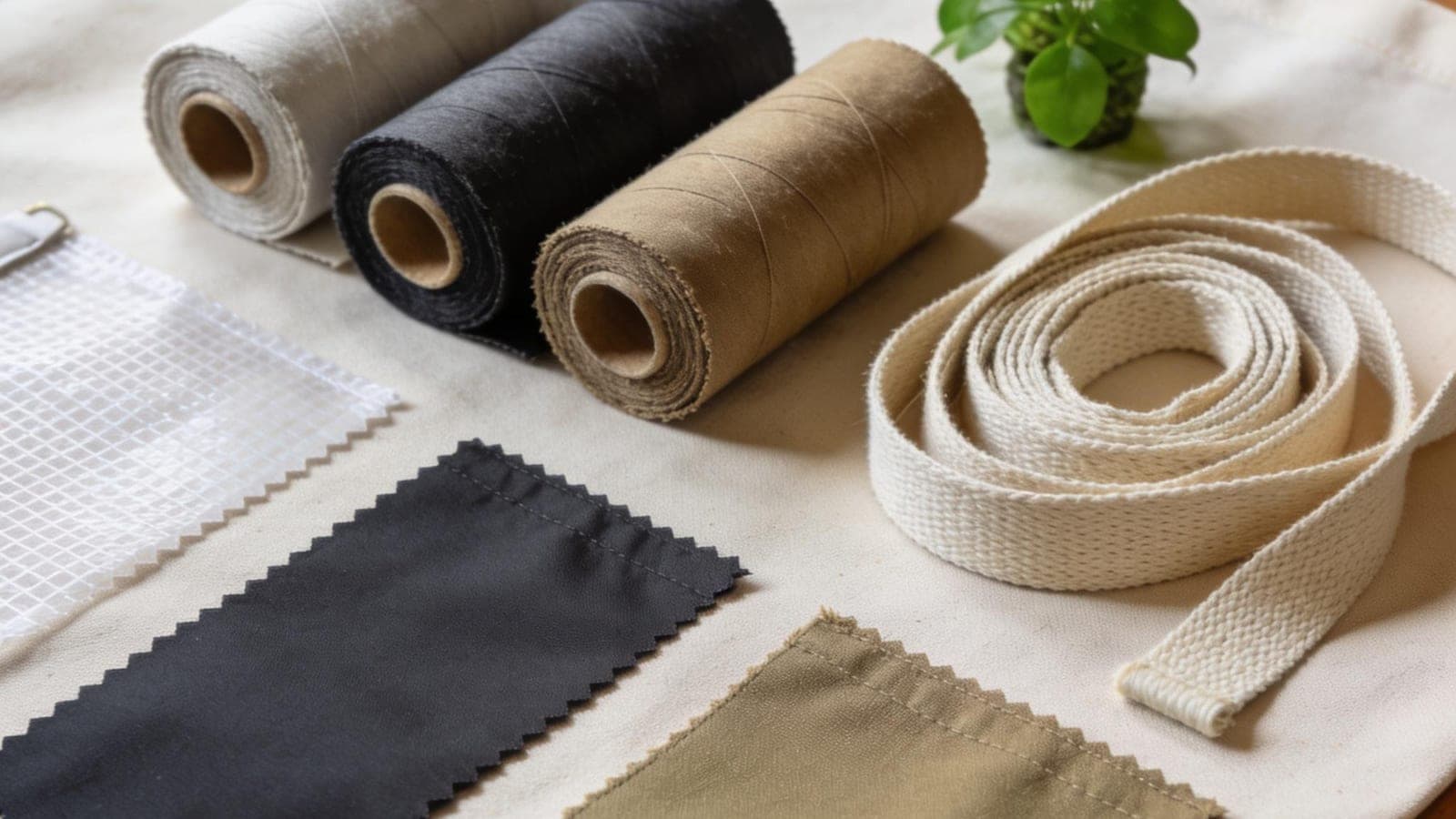
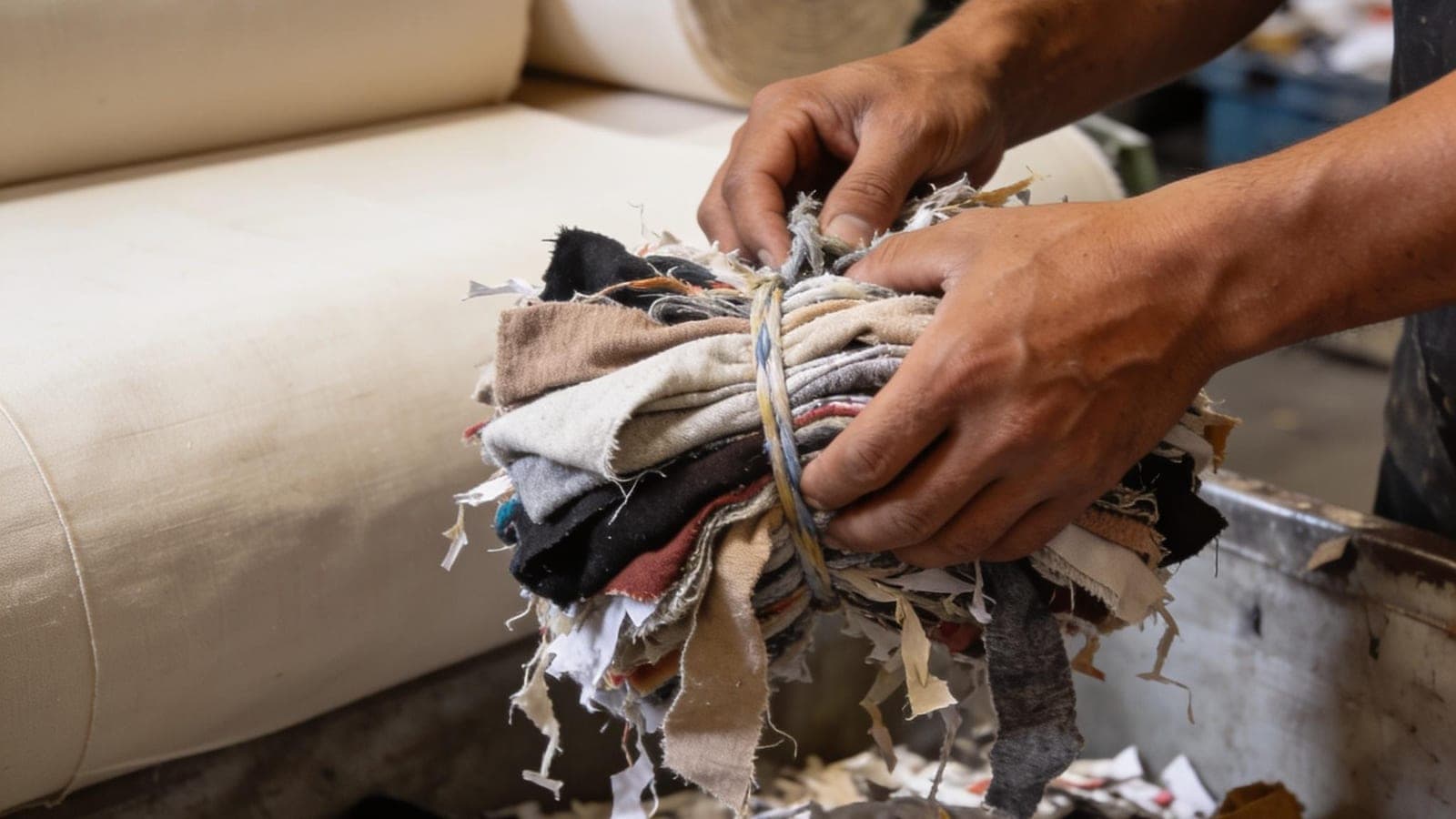
| Recycled Cotton | Pre- or post-consumer cotton textile waste, re-processed into yarn | Tote bags, drawstring bags, canvas accessories — usually blended with some virgin cotton or polyester for strength |
| Organic Cotton | Cotton grown without synthetic pesticides/fertilizers (not recycled, but lower agricultural impact) | Premium tote and pouch lines; often paired with GOTS certification rather than GRS |
| Recycled Nylon (ECONYL-type) | Reclaimed fishing nets, fabric scraps, and industrial nylon waste | Higher-end technical bags where nylon's strength-to-weight ratio matters |
| Cork Fabric | Harvested cork bark, sliced thin and backed onto a fabric substrate | Accent panels, small accessories — durable and water-resistant, but higher cost and limited color range |
rPET polyester is by far the most common starting point for buyers moving toward sustainable materials — it performs almost identically to virgin polyester in strength and abrasion resistance, and the unit cost premium is usually modest rather than prohibitive.
What GRS Certification Actually Verifies
GRS (Global Recycled Standard) is a chain-of-custody certification, not a simple content label. It verifies three separate things:
- Recycled content percentage — a GRS-certified fabric must contain a minimum of 20% recycled material to carry the label at all, and the actual verified percentage (which is often much higher, commonly 80–100% for rPET) is stated on the certificate itself
- Chain of custody — every facility that touches the material between the recycling input and the finished fabric (spinner, weaver, dyer, cut-and-sew factory) must hold its own valid GRS certificate, checked via annual third-party audit
- Social and environmental criteria — GRS also requires the certified facilities to meet baseline chemical-use restrictions and social compliance criteria, similar in spirit to a BSCI audit but scoped to the recycling process specifically
This is what separates a real GRS claim from marketing language like "eco-friendly" or "made with recycled materials" — those phrases have no verification behind them unless a certificate and transaction certificate (TC) exist for the specific order.
What to Ask a Supplier Before Trusting a Sustainability Claim
Before putting a recycled-material claim on your own product listing or hangtag, these are worth confirming directly with the factory:
- Can they provide a current GRS scope certificate covering the specific facility making your order (not just a group-level or expired certificate)?
- Can they issue a Transaction Certificate (TC) tied to your specific purchase order, showing the recycled content flowed through to your goods?
- What is the verified recycled content percentage of the fabric — not just "contains recycled materials," but the actual number on the certificate?
- Do the trims (zippers, buckles, thread) need to carry any sustainability claim too, or is it scoped to the shell fabric only?
If a supplier can't produce a certificate or TC on request, treat the claim as unverified — this matters increasingly for brands selling into the EU and UK, where unsubstantiated environmental claims carry real regulatory risk under greenwashing rules.
Cost and Lead Time Impact
rPET polyester Oxford typically runs a modest premium over virgin polyester at the same denier — the gap has narrowed considerably as recycled fiber supply has scaled up. Recycled cotton and organic cotton carry a larger premium, since cotton recycling and organic farming both have tighter supply chains. Lead time is generally comparable to standard materials once a supplier has an established recycled-material supply chain — the exception is a first order requiring a new GRS transaction certificate to be issued, which can add a few days for the paperwork to process alongside production.
Frequently Asked Questions
Is GRS the same as GOTS?
No. GRS (Global Recycled Standard) certifies recycled content and its chain of custody, and applies to both natural and synthetic recycled fibers. GOTS (Global Organic Textile Standard) certifies organic fiber production instead, mainly cotton, and doesn't require any recycled content. A product can carry one, both, or neither depending on what it's made from.
Does using recycled materials cost significantly more?
For rPET polyester, usually only a modest premium over virgin polyester at the same fabric spec. Recycled or organic cotton carries a larger premium. The bigger cost driver is usually low order volume rather than the material itself — recycled fiber pricing improves at higher volumes, similar to any raw material.
Can I put a "recycled materials" claim on my product without GRS certification?
You can, but it's an unverified claim rather than a certified one, and in some markets (notably the EU) unsubstantiated environmental claims are increasingly regulated. If sustainability messaging is central to your brand, requesting the GRS Transaction Certificate for your specific order is the safer route.
Can an existing bag design be switched to recycled fabric without changing the pattern?
In most cases, yes — rPET Oxford is available at the same common deniers (600D, 900D, 1200D) as virgin polyester, so it's usually a fabric substitution rather than a pattern or construction change. It's worth requesting a swatch first to confirm color and hand-feel match your expectations before committing to bulk.
Looking to move part of your product line to GRS-certified recycled materials, or need a certificate and transaction certificate for an upcoming order? Get in touch and we'll walk you through what's available and how it fits your timeline.