Packaging & Private Label Options: A Buyer's Guide to Poly Bags, Hangtags, Boxes and Carton Marks
Last updated: August 2026
Packaging is easy to leave until the last minute — and it's also one of the fastest ways to make a bulk order look and feel like an actual brand instead of a generic factory product. Here's a plain rundown of the private-label packaging options most bag and hat buyers choose from, what each one actually costs in time and MOQ, and how to avoid the mistakes that hold up a shipment at the finish line.
Why Packaging Is Part of Private Labeling, Not an Afterthought
Private labeling usually starts with the product — your logo on the zipper pull, your woven label sewn into the lining — but the unboxing moment is what a customer or retail buyer actually experiences first. A generic poly bag versus a branded mailer, a blank hangtag versus one carrying your logo and care info, changes how "finished" the product feels before it's even opened. It's also one of the cheaper upgrades relative to the product itself, since packaging tooling and printing costs are spread across the whole order.
Common Packaging Options
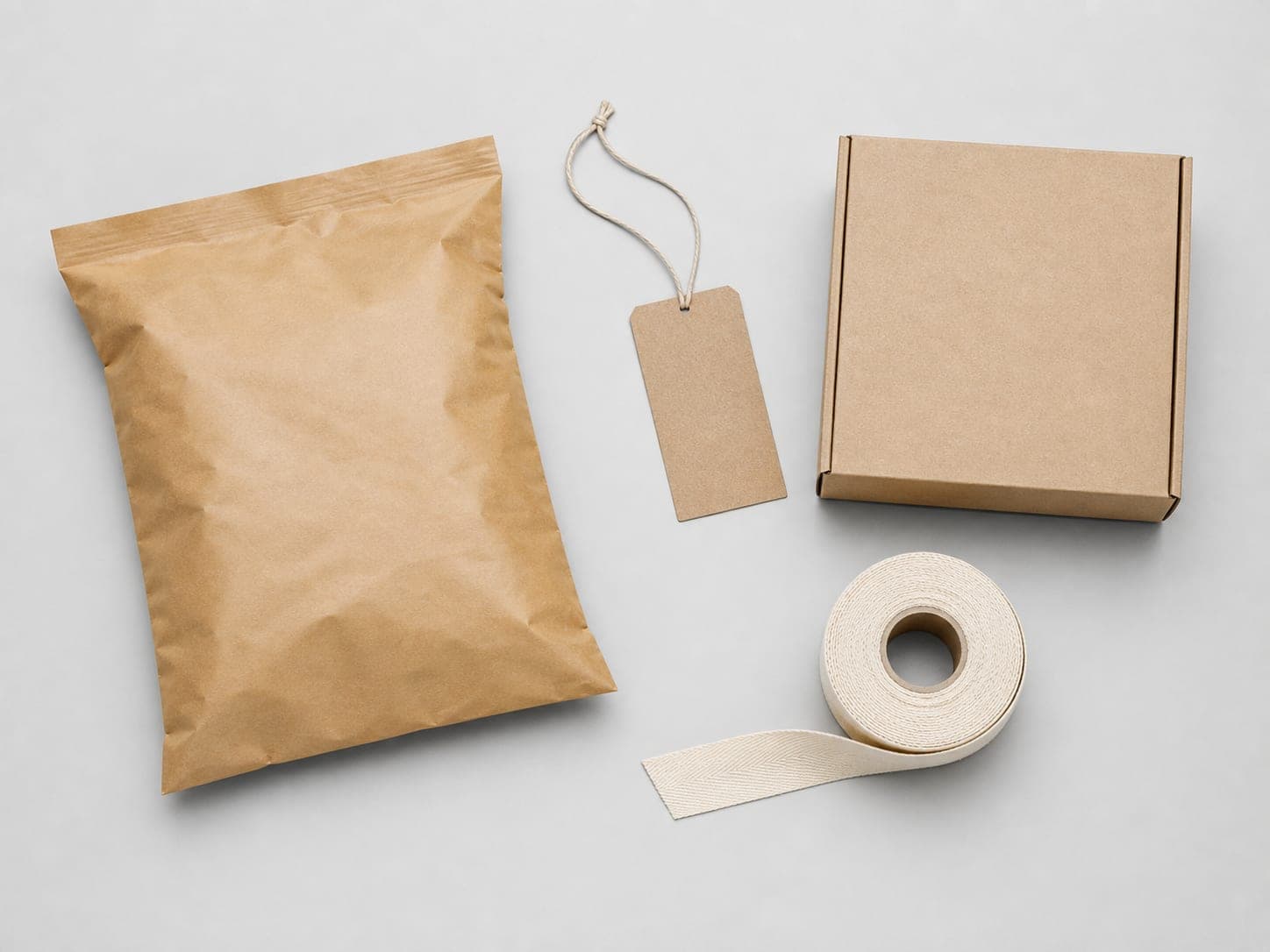
- Poly bags — the standard for individual bags and hats; can be plain, printed with your logo (usually a 1–2 color print), or upgraded to a resealable/frosted style
- Hangtags — cardstock or kraft tags on cotton string or a plastic loop, typically carrying your logo, a size/color reference, or a short brand story
- Woven or printed care labels — sewn into the product itself (not outer packaging, but usually ordered and approved alongside it)
- Gift boxes / rigid boxes — used for premium lines or retail display; higher unit cost and usually a higher MOQ than poly bags
- Inner cartons / master cartons — the shipping-level packaging; can carry printed carton marks (logo, item number, carton count) for retail buyers who require it on the outer case
- Ribbon, tissue paper, dust bags — optional add-ons mostly seen on premium or gifting-focused product lines
Most buyers mix and match — a printed poly bag and a branded hangtag on every unit is the most common combination for a first private-label order, with gift boxes and dust bags reserved for a smaller premium SKU or two.
MOQ and Lead Time by Packaging Type
Packaging often has its own MOQ, separate from the product MOQ — and it's usually the packaging, not the bags or hats themselves, that sets the real minimum on a custom order.
| Packaging Type | Typical MOQ | Added Lead Time |
|---|---|---|
| Plain (unprinted) poly bag / hangtag | None — stock item | None |
| Printed poly bag | ~1,000–3,000 pcs per design | 3–5 days for printing plate + production |
| Custom hangtag | ~500–1,000 pcs | 3–5 days |
| Woven label | ~1,000–3,000 pcs | 7–10 days (loom setup) |
| Gift / rigid box | ~500–1,000 pcs | 10–15 days (die-cut mold + assembly) |
| Printed master carton | ~1,000 pcs of cartons | 5–7 days |
These are typical ranges, not fixed numbers — they shift with the printing method, the number of colors, and whether a die/mold already exists from a previous order. If a design reuses tooling from an earlier run, both the MOQ and lead time usually drop.
Getting Carton Marks and Export Labeling Right
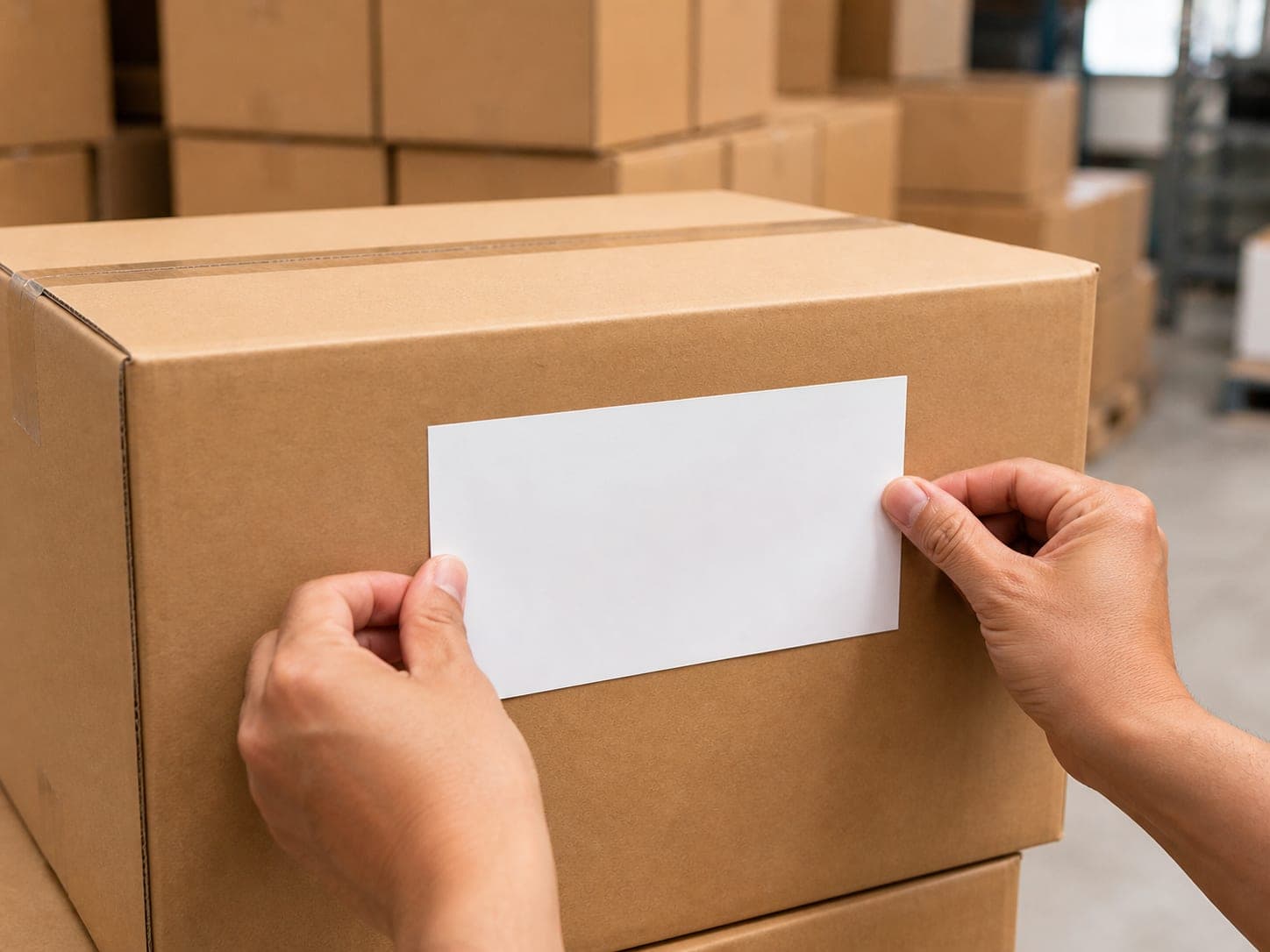
This is the part of packaging that's easy to overlook until a shipment gets held up. Retail buyers, freight forwarders and customs brokers often have specific requirements for what has to appear on the outer master carton — item number, carton number out of total (e.g. "3 of 20"), net/gross weight, dimensions, and sometimes a specific label placement or barcode format. If you're shipping to a retailer's distribution center, ask for their carton labeling guide before production starts — retrofitting labels onto already-packed cartons is avoidable rework. For direct-to-consumer or general wholesale shipments, a simpler carton mark (your logo, PO number, carton count) is usually enough.
Sustainable and Eco-Friendly Packaging Options
Kraft paper mailers, FSC-certified paper hangtags, and biodegradable or recycled-content poly bags are all readily available as drop-in substitutes for the standard versions, usually at a modest per-unit premium rather than a full re-tool. If sustainability messaging matters for your brand, it's worth specifying this at the quoting stage rather than after samples are approved, since the material swap can shift the unit cost slightly.
Frequently Asked Questions
Can I order a small batch with custom packaging for a sample run?
Plain, unprinted packaging (blank poly bags, blank tags) can go on any order size. Printed or custom-tooled packaging follows its own MOQ, so a small sample run typically ships in plain packaging first, with branded packaging added once the full production order is placed.
Who designs the packaging artwork?
Most buyers supply their own logo files and any brand guidelines, and the factory handles layout and print-ready file prep for approval. If you don't have finished artwork yet, it's normal to ask the factory's design support to put together a simple layout using your logo as a starting point.
Does packaging need its own separate sample approval?
Yes — a printed proof or a physical packaging sample should be approved before mass production starts, the same as a product sample. Approving packaging late in the process is one of the more common causes of last-minute delays, since printing and box tooling can't be reordered overnight.
Can different SKUs in the same order use different packaging?
Yes, this is common — for example, a premium tote in a gift box while the rest of the line ships in printed poly bags. Just confirm each packaging type's own MOQ is met per style, since mixing packaging types doesn't let you combine their minimums.
Planning packaging for an upcoming order, or want a quote that includes printed poly bags, hangtags, or a gift box option? Get in touch and we'll walk you through what fits your order size and timeline.