Embroidery vs Screen Printing vs Woven Labels: A Buyer's Guide to Custom Logo Branding
Last updated: July 2026
Every custom bag or hat order eventually reaches the same question: how should your logo actually go on the product? The three most common methods — embroidery, screen printing, and woven labels — look similar on a spec sheet but behave very differently on fabric, in the wash, and at scale. Picking the wrong one is a common first-order mistake that shows up months later as a QC issue or a brand that looks cheaper than intended. This guide breaks down when to use each method, what it costs in MOQ and lead time, and how to match it to your product line.
Embroidery
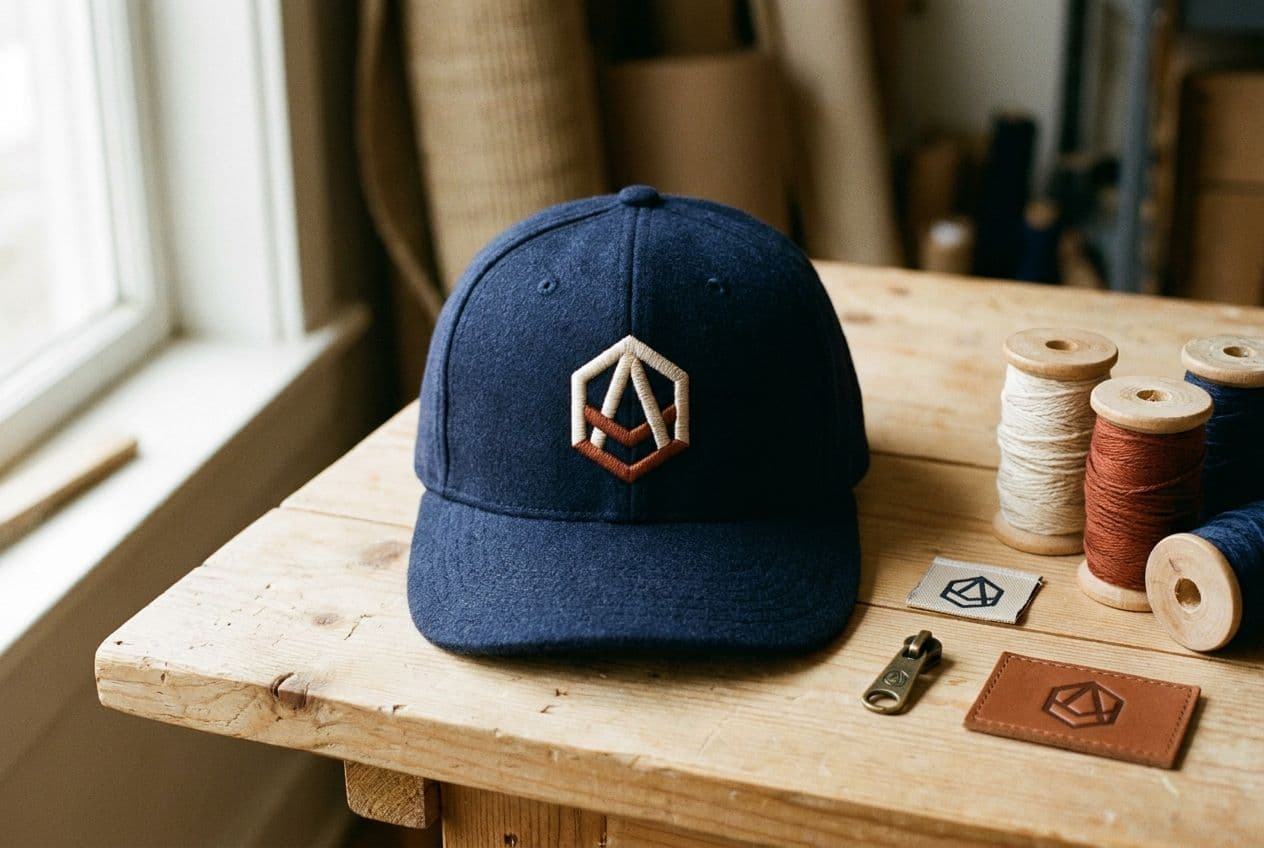
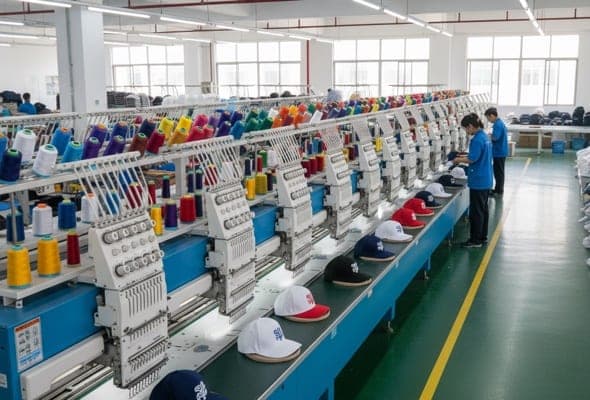
Embroidery stitches your logo directly into the fabric with thread, giving it a raised, textured finish. It is the default choice for caps, beanies, and structured bag panels because it holds up to heavy daily use, repeated washing, and abrasion far better than any printed method. The trade-off is detail: very fine text or gradient artwork below about 5mm gets muddy once stitched, so logos with thin lines or small type usually need simplifying first. Thread color matching is done against a standard chart, with custom thread colors available on request. Embroidery adds the most per-unit cost of the three methods but the least ongoing risk — it rarely cracks, peels, or fades.
Screen Printing
Screen printing pushes ink through a mesh stencil directly onto the fabric surface, which makes it the most economical option for large-area graphics, multi-color designs, and tote bags, drawstring bags, or flat cap panels. It reproduces fine detail and gradients that embroidery cannot, and at higher volumes it is typically the cheapest per-unit branding method. It is less durable on high-friction areas like bag straps or cap brims, where repeated rubbing can crack the ink over time, and each additional color in the design adds a separate screen and setup cost. For one-and-done trade show totes or seasonal runs, screen printing is usually the right call; for a bag meant to survive years of daily carry, we'd steer you toward embroidery or a woven label instead.
Woven Labels
A woven label is manufactured separately — your logo is woven into a small fabric tag on a loom — then sewn onto the finished product as its own step. This is the method most often used alongside embroidery or printing, not instead of it: a woven label at the zipper pull, inner seam, or hat brim reads as a premium finishing touch and is what most recognizable brands use for their primary tag. Because it is produced independently of the bag or hat, a woven label can carry fine detail, small text, and multiple colors that neither embroidery nor printing handles well at that scale. It also has a longer lead time than the other two methods since the labels are woven and cut before assembly even begins, so factor that into your production schedule if you're on a tight deadline.
How to Choose
- Caps, beanies, and high-wear panels: embroidery first — it survives washing and daily friction.
- Totes, drawstring bags, and detailed multi-color graphics: screen printing — cheapest at volume, best for fine artwork.
- Premium finishing touch or small brand tag: woven label — highest perceived value, longest lead time.
- Not sure yet: many buyers combine methods — embroidery for the main logo, a woven label at the zipper pull for the brand name.
All three methods are available across our full bag and hat catalog, and every product page lists which branding options apply to that specific item. If you're not sure which fits your design, send us your logo and target product and we'll recommend a method as part of your quotation — no separate consultation fee, and it's usually part of the same 24-hour reply as your initial quote. For the full picture of what happens after that, see our guide to working with a bag & hat manufacturer end to end.
Contact us with your logo file and product selection to get a branding recommendation and quote.